
Build an approval‑ready credit profile
Understand what’s driving your credit decisions, identify items that may be unfair or inaccurate, and take a structured next step toward stronger approvals and better terms.
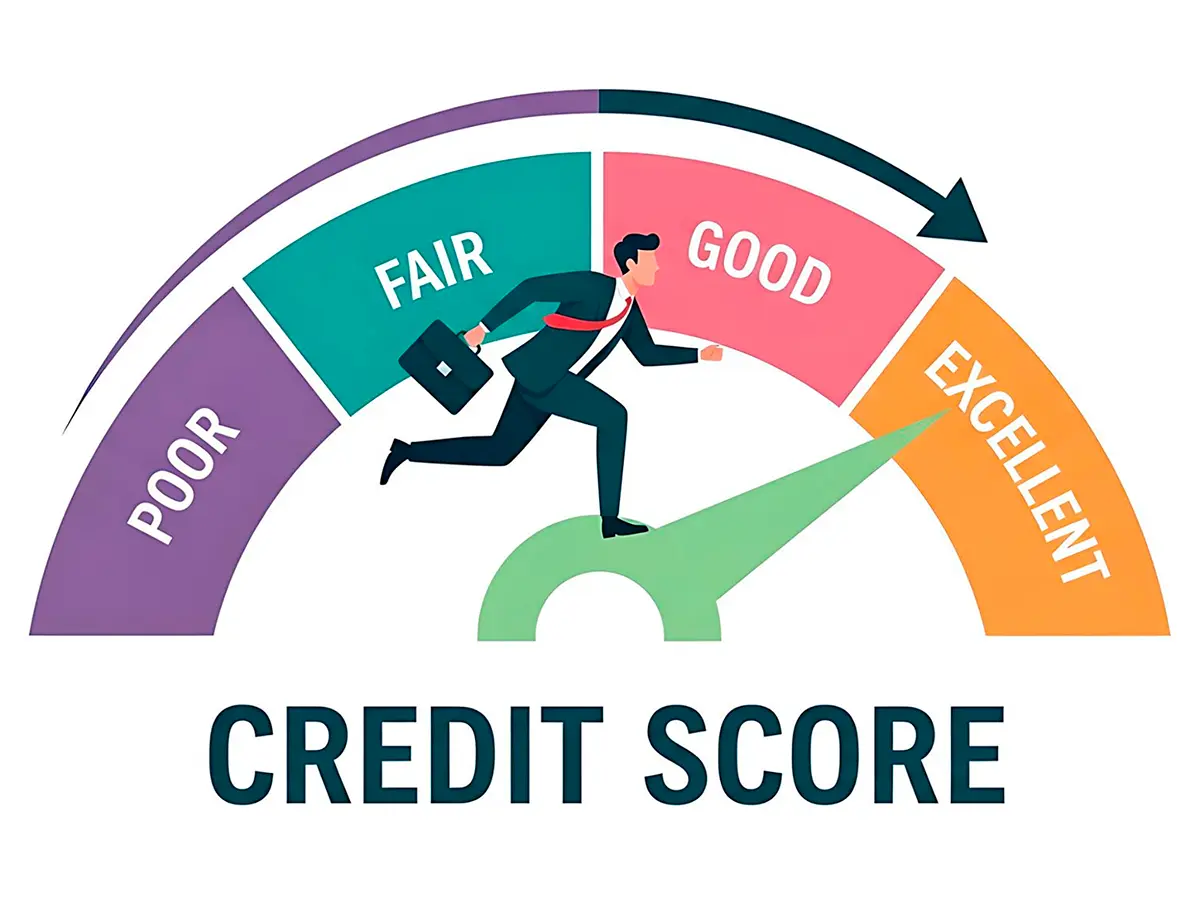
Built around established U.S. credit reporting practices and dispute procedures under the Fair Credit Reporting Act (FCRA). No unrealistic promises—just clarity, documentation, and structured credit improvement.
Unlock more options
Choose the outcome you care about. We’ll outline what improves it—and what to watch for—so you can move forward with confidence.
Your path to stronger credit
A stronger credit profile can mean better approval odds, improved loan terms, and more financial flexibility. Get a clear, no-fluff overview of what credit improvement can help you achieve — then take the next step when you're ready.
Credit decisions in the U.S. are typically influenced by payment history, utilization ratios, account age, recent inquiries, and the accuracy of reporting across major credit bureaus.
Even small inconsistencies can affect lending algorithms. A structured credit improvement approach focuses on verified data, responsible usage patterns, and consistent financial behavior.
*Results vary. This page does not guarantee outcomes.
How it works
A straightforward workflow used by reputable credit‑support programs: review, challenge what’s questionable, and build stronger habits while updates are processed.

Review your starting point
Clarify your goal and look at what’s currently affecting approvals and terms.

Identify what can be challenged
See what information is typically needed, what to expect next, and how the workflow usually looks.

Move forward
Continue to explore available options and take the next step toward better credit outcomes.
how to increase credit with a practical, repeatable workflow
I'm revisiting the system that helped me lift my score last year. Same goal, tighter process. The focus is outcome and awareness: control what reports, what gets scored, and when activity hits the bureaus.
Start with a clean baseline
Pull all three reports and scan for five levers that actually move numbers: payment history, utilization (per card and total), age of accounts, new inquiries, and derogatory marks. Note statement cut dates, not just due dates. That calendar dictates what gets reported.
- Payment history: automate minimums; never miss one.
- Utilization: target under 30% to stop bleeding; under 10% to gain; 1 - 3% for polish.
- Age: keep the oldest line alive with a small recurring charge.
- Inquiries: cluster rate-shopping within a short window; then cool down.
- Derogs: list each with date and status for cleanup.
Weekly workflow that compounds
- Every Friday: push micro-payments to cards with balances so reported utilization stays low.
- Five days before statement cut: pay down to target percentages, not just by due date.
- Monthly: request a credit limit increase on well-managed cards; prefer soft-pull options.
- Quarterly: review reports, dispute clear errors, and log outcomes.
Utilization mechanics that matter
Scores read snapshots. If your statement cuts at $900 on a $3,000 limit, the file sees 30% - even if you pay in full later. Pre-cut payments change the snapshot. A modest limit increase also lowers ratios, but issuers may require time-in-account and steady income; that's the pragmatic caveat.
Building depth on a thin file
If history is short, add a low-fee secured card or a small credit-builder loan and route predictable bills through it. Keep balances tiny and let two cycles report before scaling. Authorized user status can help if the primary has long history, low utilization, and no late payments; otherwise, skip it.
Negotiating and cleaning
Dispute only verifiable inaccuracies with concise documentation. For valid late payments, try a goodwill request after a re-established on-time streak. If a collector holds a small balance, a pay-for-delete can help, but get terms in writing and know not all furnishers agree.
Timing, patience, and what to avoid
- Don't close your oldest no-fee card; it props up age and total limits.
- Avoid opening multiple new accounts before a mortgage or auto loan.
- Rewards are fine; carrying interest to chase points is not.
- Expect lags: updates can take a cycle or two to reflect.
A quick real-world moment
After three months of sub-5% utilization and zero new inquiries, my auto pre-approval tier improved by 30 points. The dealer's screen refreshed, and the APR dropped a notch. Same income, different report timing.
Track it simply
One sheet, five columns: date, per-card utilization, total utilization, on-time streak, disputes/CLIs. Update weekly. The visibility prevents surprise spikes and keeps the workflow honest.
The outcome is steady lift, not a miracle jump. Keep payments flawless, keep snapshots lean, build age patiently, and let the bureaus catch up. Do that, and the score follows.
CNBC Select details how you can quickly raise your credit card's credit limit and potentially your credit score by simply updating your ...
How to increase your credit limit - Contact your issuer online - Call customer service - Accept an issuer offer - Apply for a new card that will ...
If your credit score has increased since you first got a credit card, you may be in a good position to request a credit limit increase.
Frequently asked questions
A clear next step — without the guesswork
See what’s impacting approvals and what may deserve a closer look.
Understand how disputes are structured and what documentation matters.
Improve utilization, consistency, and long-term credit stability.
See what improving your credit could change
Take a structured next step based on your current profile — and decide with clarity.